



Canine artificial insemination is an increasingly common breeding aid with several clear benefits. It makes it possible to use the best possible genetic material anywhere in the world without having to expose the male to long and expensive journeys. Artificial insemination can also be considered in cases where natural mating does not succeed for one reason or another, provided that both the male and the bitch are healthy and capable of reproduction.
Artificial insemination can be considered in the following situations:
- For breeding-related reasons: selecting the right genetic material, international exchange of semen, or a longer-term breeding programme
- When the male and the bitch live far apart
- Using frozen semen (even decades after the male has died)
- For medical reasons, e.g. an injury that prevents mating
Artificial insemination is not intended to override “the will of nature”; it is not acceptable when the male or the bitch has impaired fertility, or when mating fails due to a hereditary disease or developmental disorder. A hereditary disease in the male or the bitch is also a contraindication to artificial insemination.
How?
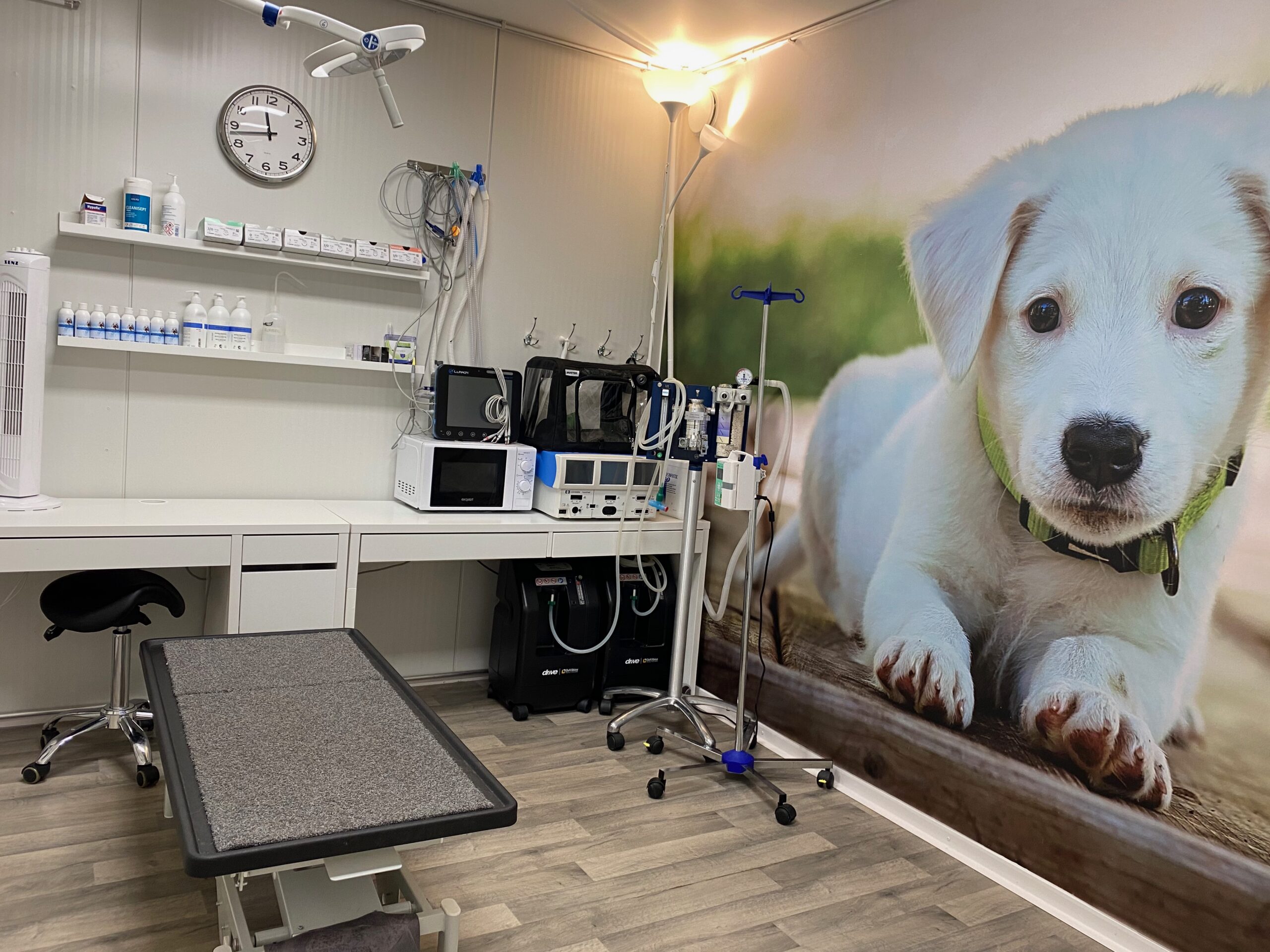
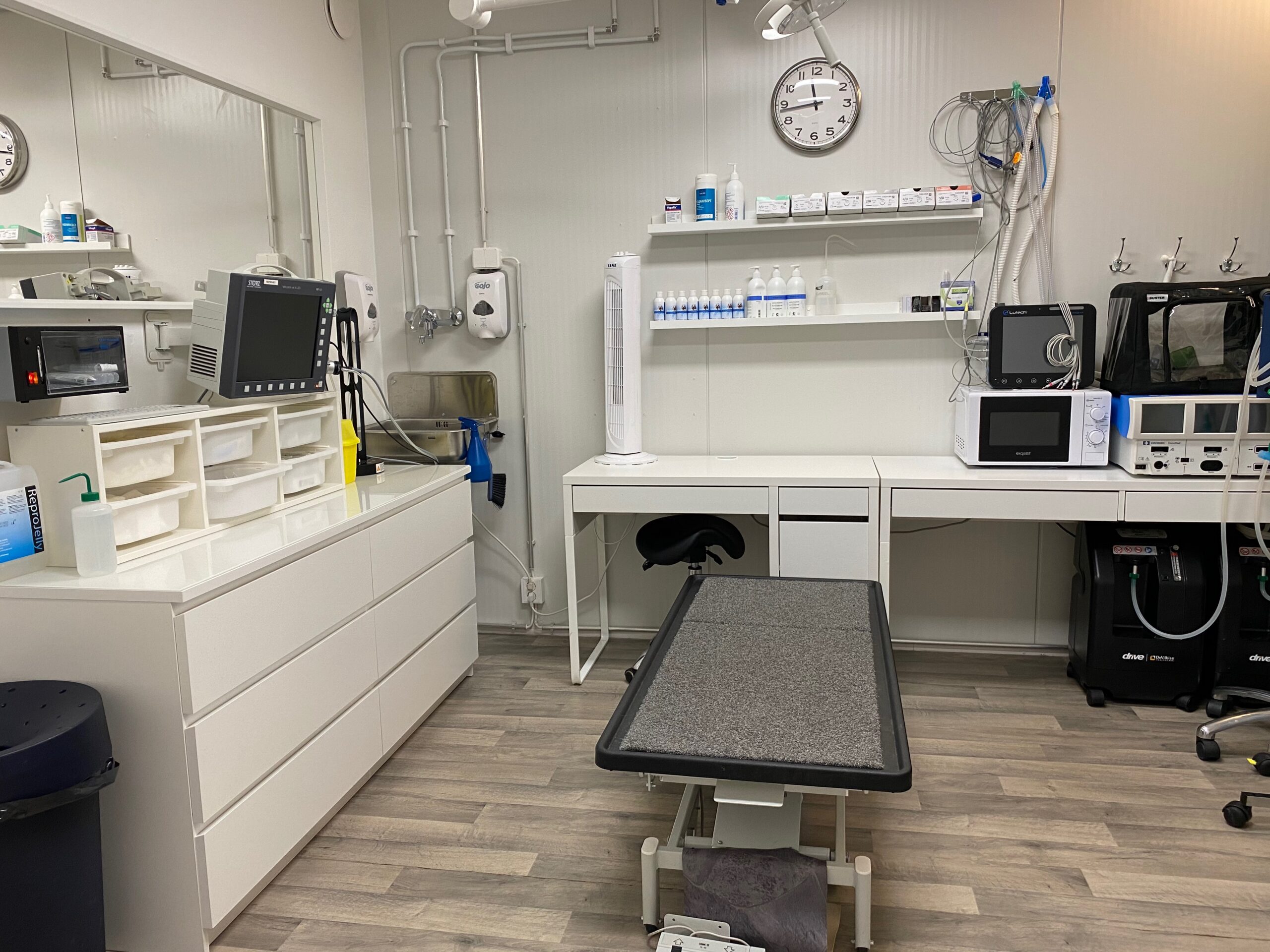
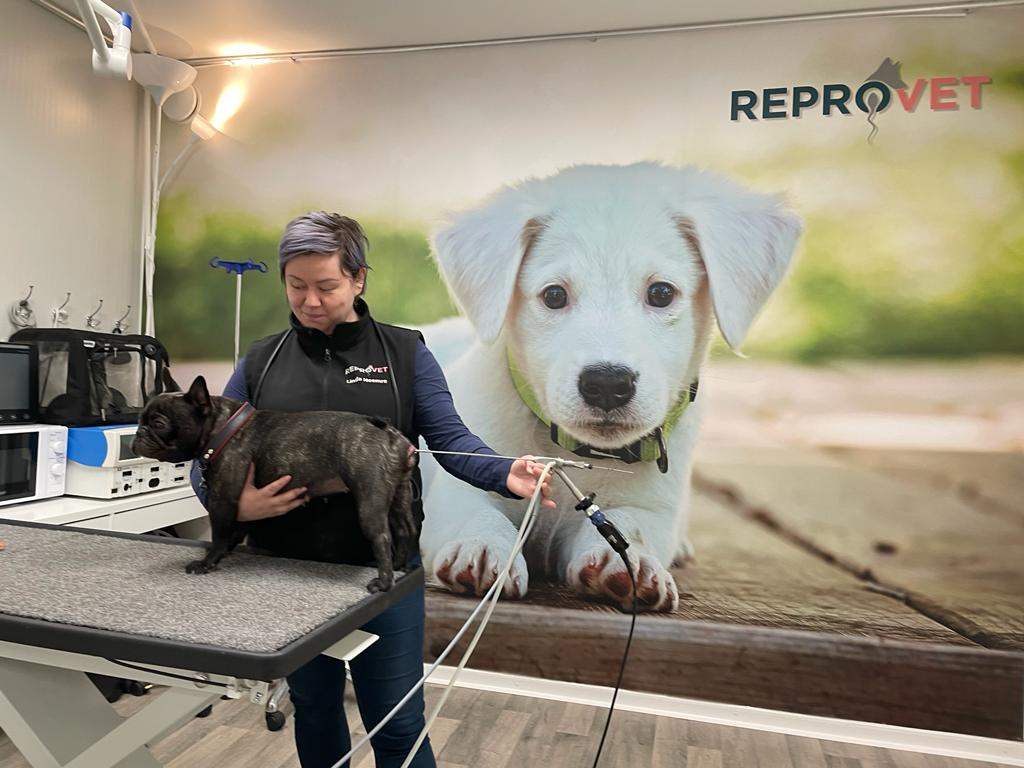
Artificial insemination is usually a quick and painless procedure carried out while the bitch is awake. The semen is delivered into the uterus with an endoscope, a device that provides a camera view throughout the procedure. This way the valuable semen reliably finds its way to the right place. The procedure itself takes about 20 minutes. However, an hour is always reserved so that the bitch can calmly get to know the clinic environment and staff. Before the insemination we also help the client fill in the required insemination form.
The semen used in insemination
The specific features of the procedure, including the timing of insemination, are determined by the type of semen used.
Fresh-semen insemination
- At the time of insemination both the male and the bitch are present
- Insemination is done 2 days after ovulation
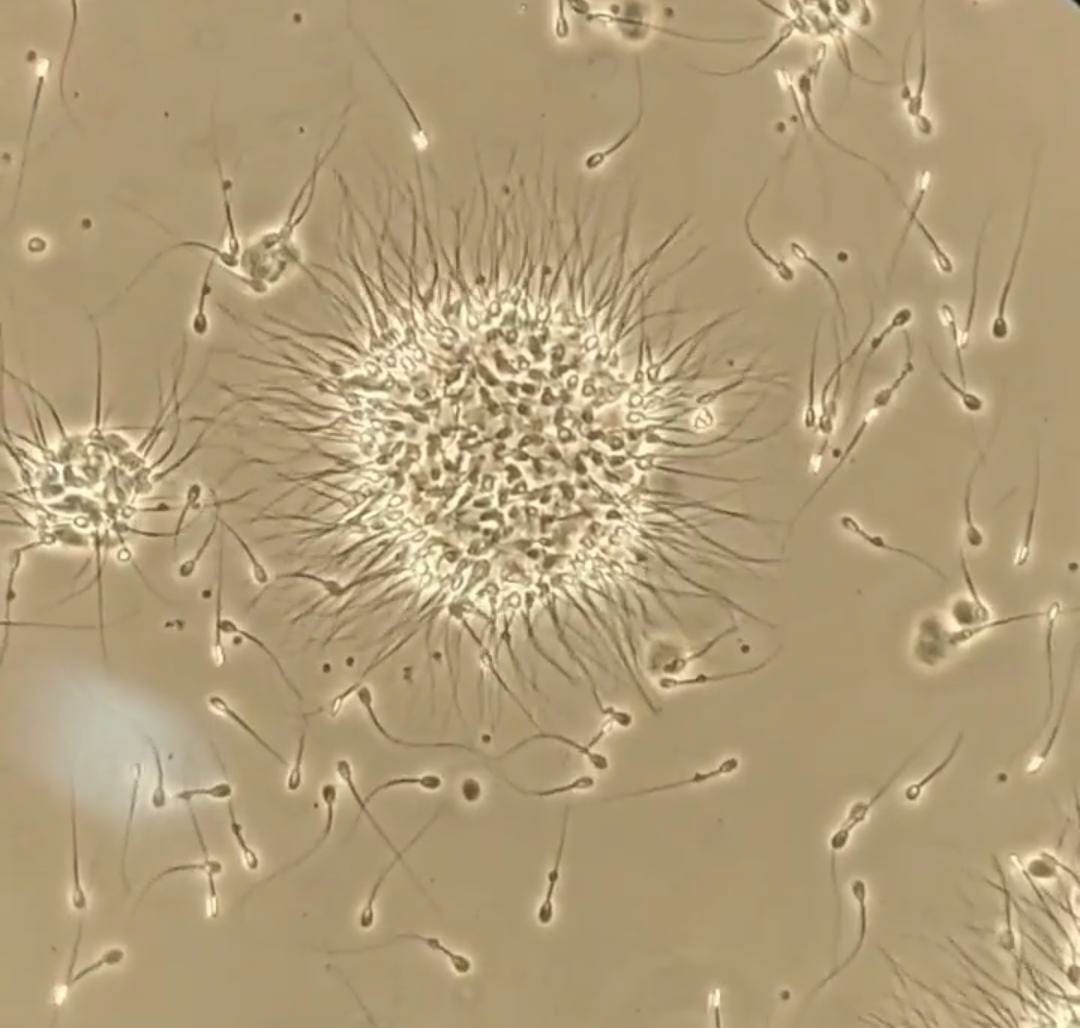
- Semen is collected from the male and its quality is examined
- The sperm cells are delivered undiluted directly into the uterus using an endoscope
Transported-semen insemination
- Transported semen refers to diluted fresh semen
- The bitch’s owner arranges the collection and shipping of the semen with the male’s owner, according to the veterinarian’s instructions
- Insemination is done 2–3 days after ovulation
- The semen quality is checked on arrival, after which it is delivered into the uterus using an endoscope
Frozen-semen insemination
- Done 2.5–3.5 days after ovulation; the timing must be determined as precisely as possible
- The bitch’s owner is responsible for delivering the frozen semen to the veterinarian
- It is recommended that the bitch has previously had at least one litter
- The sperm cells are delivered directly into the uterus using an endoscope
- The semen quality is checked during the procedure
In the case of transported or frozen semen, insemination can only be carried out if there is appropriate documentation of the semen’s origin. Regardless of whether fresh, transported or frozen semen is used, the most precise possible timing of the insemination is important. The accurate determination of the time of ovulation, made possible by heat monitoring, is a prerequisite for a successful insemination.
Reprovet does not sell or broker semen.
Frequently asked questions
What is the recommended number of sperm cells in an insemination dose with frozen semen?
For medium-sized and large breeds we recommend about 150–200 million sperm cells, and for small breeds 100–150 million sperm cells.
How many straws are needed for a frozen-semen insemination?
This depends on the quality of the frozen semen, the post-thaw motility, the amount of abnormal sperm, and how many million sperm cells have been packed into one straw. The semen collection form contains the veterinarian’s recommendation for one insemination dose, i.e. how many straws are used per bitch (straws/breeding unit). For medium-sized and large breeds we recommend about 150–200 million sperm cells, and for small breeds 100–150 million sperm cells.
Is the vaginal structure checked in connection with artificial insemination?
The check of the vaginal structure is a separate procedure from the artificial insemination, performed before the insemination during heat monitoring.